
In metallurgy, stainless steel is defined as a steel alloy with a minimum of 10% chromium content by mass. Stainless steel does not stain, corrode, or rust as easily as ordinary steel (it stains less), but it is not stain-proof. It is also called corrosion-resistant steel or CRES when the alloy type and grade are not detailed, particularly in the aviation industry. There are different grades and surface finishes of stainless steel to suit the environment to which the material will be subjected in its lifetime. Common uses of stainless steel are cutlery, watch straps, and appliances.
Stainless steel differs from carbon steel by amount of chromium present. Carbon steel rusts when exposed to air and moisture. This iron oxide film is active and accelerates corrosion by forming more iron oxide. Stainless steels have sufficient amount of chromium present so that a passive film of chromium oxide forms which prevents further corrosion.
Stainless steel’s resistance to corrosion and staining, low maintenance, relative inexpensive and familiar luster make it an ideal base material for a host of commercial applications. There are over 150 grades of stainless steel, of which fifteen are 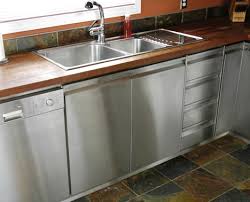 most common. The alloy is milled into coils, sheets, plates, bars, wire, and tubing to be used in cookware, cutlery, hardware, surgical instruments, major appliances, inudstrial equipment, and as an automotive and aerospace structural alloy and construction material in large buildings. Orange juice and other food transport and storage tankers are often made of stainless steel, due to its corrosion resistance and antibacterial properties. This also influences its use in commercial catering kitchens and food processing plants, as it can be steam cleaned, sterilized, and does not need painting or application of other surface finishes.
"Steel Glossary". American Iron and Steel Institute (AISI).
most common. The alloy is milled into coils, sheets, plates, bars, wire, and tubing to be used in cookware, cutlery, hardware, surgical instruments, major appliances, inudstrial equipment, and as an automotive and aerospace structural alloy and construction material in large buildings. Orange juice and other food transport and storage tankers are often made of stainless steel, due to its corrosion resistance and antibacterial properties. This also influences its use in commercial catering kitchens and food processing plants, as it can be steam cleaned, sterilized, and does not need painting or application of other surface finishes."Steel Glossary". American Iron and Steel Institute (AISI).

No comments:
Post a Comment